Loft Conversions in the UK: Cost per Square Metre, Preparation, and Added Property Value
17 Oct 25 | News | 4 Min read
Learn everything about loft conversions in the UK — average cost per square metre, essential preparations, building regulations, and how much value a loft conversion can add to your property.
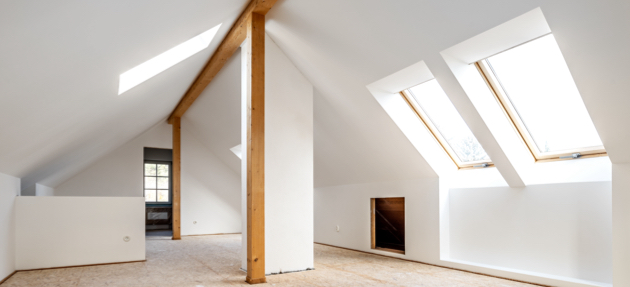
A loft conversion is one of the most effective ways to add space and increase the value of your home in the UK. Whether you live in London, Manchester, Birmingham, or a rural area, converting your attic into a functional living space is a smart investment. From understanding loft conversion costs per square metre to following correct planning and building regulations, this guide covers everything homeowners should know before starting a loft project.
What Is the Average Loft Conversion Cost per Square Metre in the UK?
The cost of a loft conversion can vary considerably depending on the type of conversion, materials used, and your location. On average, homeowners in the UK can expect to spend between £1,200 and £2,500 per square metre for a professionally built loft conversion.
Here’s a detailed look at the most common types of loft conversions and their estimated costs:
-
Velux (Rooflight) Loft Conversion – from £1,200 to £1,600 per m²
The most budget-friendly option, ideal for homes with sufficient existing roof height. It involves fitting Velux windows into the current roofline without major structural work.
-
Dormer Loft Conversion – from £1,500 to £2,000 per m²
One of the most popular options in the UK, a dormer loft conversion creates additional headroom and usable floor space by extending vertically from the existing roof slope.
-
Hip-to-Gable Loft Conversion – from £1,800 to £2,400 per m²
Perfect for semi-detached or end-terraced properties, this type of loft extension converts a sloping side roof into a vertical gable wall, adding substantial space.
-
Mansard Loft Conversion – from £2,000 to £2,500 per m²
Often seen in London and other urban areas, this premium conversion completely remodels the roof to create a nearly full additional floor — ideal for a master suite or self-contained flat.
While these figures offer a general guide, your final loft conversion cost will depend on the complexity of the design, accessibility, insulation requirements, finishes, and professional fees.
Essential Preparations Before Starting a Loft Conversion
Before any building work begins, careful preparation ensures your project runs smoothly and complies with UK building regulations.
-
Assess Loft Suitability
Start by confirming whether your loft can be safely converted. You’ll need a minimum of 2.2 metres of head height in the central part of the loft. A professional structural survey can determine whether the existing joists and roof structure can support additional loads.
-
Check Planning Permission and Building Regulations
Many loft conversions fall under permitted development rights, which means you may not need planning permission. However, larger dormers, mansard designs, or properties in conservation areas will likely require official approval. Regardless, all loft conversions must comply with building control regulations concerning fire safety, insulation, access, and structural integrity.
-
Design and Planning Stage
Work with an architect or loft conversion specialist to design a layout that maximises light, space, and practicality. At this stage, consider your purpose — an extra bedroom, home office, gym, or rental unit — and plan electrical, plumbing, and heating systems accordingly.
-
Budget and Financing
Beyond the core build cost, include architectural drawings, planning fees, building control inspections, and interior finishes. Experts recommend setting aside at least 10–15% contingency for unexpected expenses.
-
Selecting a Trusted Builder
Always choose a certified builder or loft conversion company with proven experience. Request multiple quotes, verify insurance coverage, and review past projects or testimonials. A professional contractor can also guide you through compliance and project management.
How Much Value Does a Loft Conversion Add to Your Property?
A well-planned loft conversion doesn’t just add space — it significantly increases your property’s market value. Research from UK property experts and estate agents shows that a quality loft conversion can boost your home’s value by 15% to 25%.
For example, if your property is worth £400,000, you could add between £60,000 and £100,000 in resale value. The actual return depends on the type of conversion, interior finish, and how effectively the new space enhances your home’s layout.
A master bedroom with an en-suite, or a dedicated home office, tends to offer the highest return on investment. In high-demand areas such as London or the South East, the increase in property value can be even greater.
Benefits of a Loft Conversion
Investing in a loft conversion offers several key advantages for homeowners:
-
Maximise Existing Space – Transform unused attic areas into comfortable, functional living rooms.
-
Avoid Moving Costs – Stay in your current home while gaining valuable square footage.
-
Energy Efficiency – New insulation and double glazing help improve your home’s thermal performance.
-
Increased Property Value – A professionally built loft conversion is one of the best-value home renovations in the UK.
-
Versatility – Ideal for guest rooms, studies, hobby spaces, or even rental accommodation.
Final Thoughts: Is a Loft Conversion Worth It?
A loft conversion is one of the smartest home improvement projects you can undertake. With the average loft conversion cost per square metre ranging from £1,200 to £2,500, the investment is often outweighed by the long-term benefits — increased living space, improved comfort, and a significant property value increase.
By choosing a reputable loft conversion specialist, ensuring compliance with UK building regulations, and carefully planning every stage, you can transform your attic into one of the most valuable spaces in your home.