Do I Need Permission for a Loft Conversion in London?
15 Jan 26 | News | 4 Min read
A loft conversion is one of the most popular ways to add space and value to a home in London. Whether you are planning an extra bedroom, home office, or master suite, understanding the permissions, regulations, process, and costs involved is essential before you start. This guide explains everything from start to finish, so you know exactly what to expect when planning a loft conversion.
What Is a Loft Conversion?
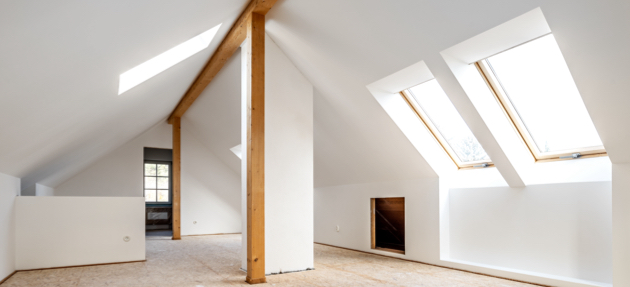
A loft conversion involves transforming an unused attic or roof space into a functional living area. Common types of loft conversions in London include:
-
Velux (rooflight) loft conversion – adding roof windows without altering the roof structure
-
Dormer loft conversion – extending the roof to create more headroom and floor space
-
Hip-to-gable loft conversion – changing a sloping roof into a vertical wall (common on semi-detached houses)
-
Mansard loft conversion – major roof alteration, often used on terraced houses
Each type may have different permission and cost requirements.
Do I Need Planning Permission for a Loft Conversion in London?
In many cases, planning permission is not required, as loft conversions often fall under Permitted Development (PD) rights. However, this depends on several factors.
Loft Conversions Under Permitted Development
You usually do not need planning permission if:
-
The additional roof space does not exceed:
-
40 cubic metres for terraced houses
-
50 cubic metres for semi-detached and detached houses
-
-
The conversion does not extend beyond the existing roof slope facing the road
-
The height of the roof is not increased
-
Materials are similar in appearance to the existing house
-
Side-facing windows are obscure-glazed and non-opening below 1.7 metres
-
The property is a single dwelling house (not a flat)
When Planning Permission Is Required
You will need planning permission if:
-
Your property is a flat or maisonette
-
The house is in a conservation area, National Park, or Area of Outstanding Natural Beauty
-
The design includes a mansard conversion or major roof alteration
-
Permitted Development rights have been removed by the local council
-
You exceed the volume limits or alter the roof height
It is always recommended to check with your local London borough council before starting.
Do I Need Building Regulations Approval?
Yes. Building Regulations approval is always required, regardless of whether planning permission is needed.
Building Regulations ensure the loft conversion is safe and structurally sound. Key areas covered include:
-
Structural stability (floor strength and steel beams)
-
Fire safety and escape routes
-
Staircase design and head height
-
Sound insulation (especially in terraced or semi-detached houses)
-
Electrical and plumbing safety
Approval is typically obtained through either:
-
The local authority building control, or
-
An approved private building control inspector
A completion certificate will be issued once the work is signed off.
Do I Need a Party Wall Agreement?
If your home is terraced or semi-detached, you may need a Party Wall Agreement under the Party Wall etc. Act 1996.
This is required when:
-
Structural work affects a shared wall
-
Steel beams are inserted into a party wall
-
Work is carried out close to a neighbour’s foundations
You must serve notice to your neighbours, and in some cases, appoint a party wall surveyor.
Step-by-Step Loft Conversion Process
1. Initial Assessment and Feasibility
A professional contractor will assess:
-
Roof height and structure
-
Suitability for stairs
-
Budget and design options
2. Design and Drawings
Architectural drawings and structural calculations are prepared. These are used for:
-
Planning applications (if required)
-
Building Regulations approval
3. Permissions and Approvals
-
Apply for planning permission (if needed)
-
Submit drawings for Building Regulations approval
-
Serve party wall notices (if applicable)
4. Construction Phase
Work typically includes:
-
Structural alterations and steel installation
-
Roof modifications or dormer construction
-
Insulation, electrics, plumbing, and plastering
-
Staircase installation
5. Final Inspection and Completion
Building control will inspect the work and issue a completion certificate, confirming compliance.
How Long Does a Loft Conversion Take?
On average:
-
Velux loft conversion: 4–6 weeks
-
Dormer loft conversion: 6–8 weeks
-
Hip-to-gable or mansard: 8–12 weeks
Timescales may vary depending on complexity and approvals.
How Much Does a Loft Conversion Cost in London?
Loft conversion costs in London vary based on size, type, and specification.
Average Costs (2025 Estimates)
-
Velux loft conversion: £30,000 – £40,000
-
Dormer loft conversion: £40,000 – £55,000
-
Hip-to-gable loft conversion: £45,000 – £60,000
-
Mansard loft conversion: £55,000 – £70,000+
Additional Costs to Consider
-
Architectural drawings: £1,500 – £3,000
-
Structural engineer: £500 – £1,500
-
Planning application fees: approx. £206
-
Party wall surveyor: £1,000 – £2,000 (if required)
-
Premium finishes and bespoke designs
Although costs can seem high, a loft conversion can increase property value by up to 20% in London.
Why Choose a Professional Loft Conversion Specialist?
Using an experienced London-based construction company ensures:
-
Compliance with planning and building regulations
-
Efficient project management
-
High-quality workmanship
-
Clear timelines and cost control
So, do you need permission for a loft conversion in London? In many cases, no planning permission is required, but Building Regulations approval is always necessary. Understanding the process from start to finish helps avoid delays, unexpected costs, and legal issues.
If you are considering a loft conversion, working with a trusted professional team will ensure your project is completed safely, efficiently, and to the highest standard.